
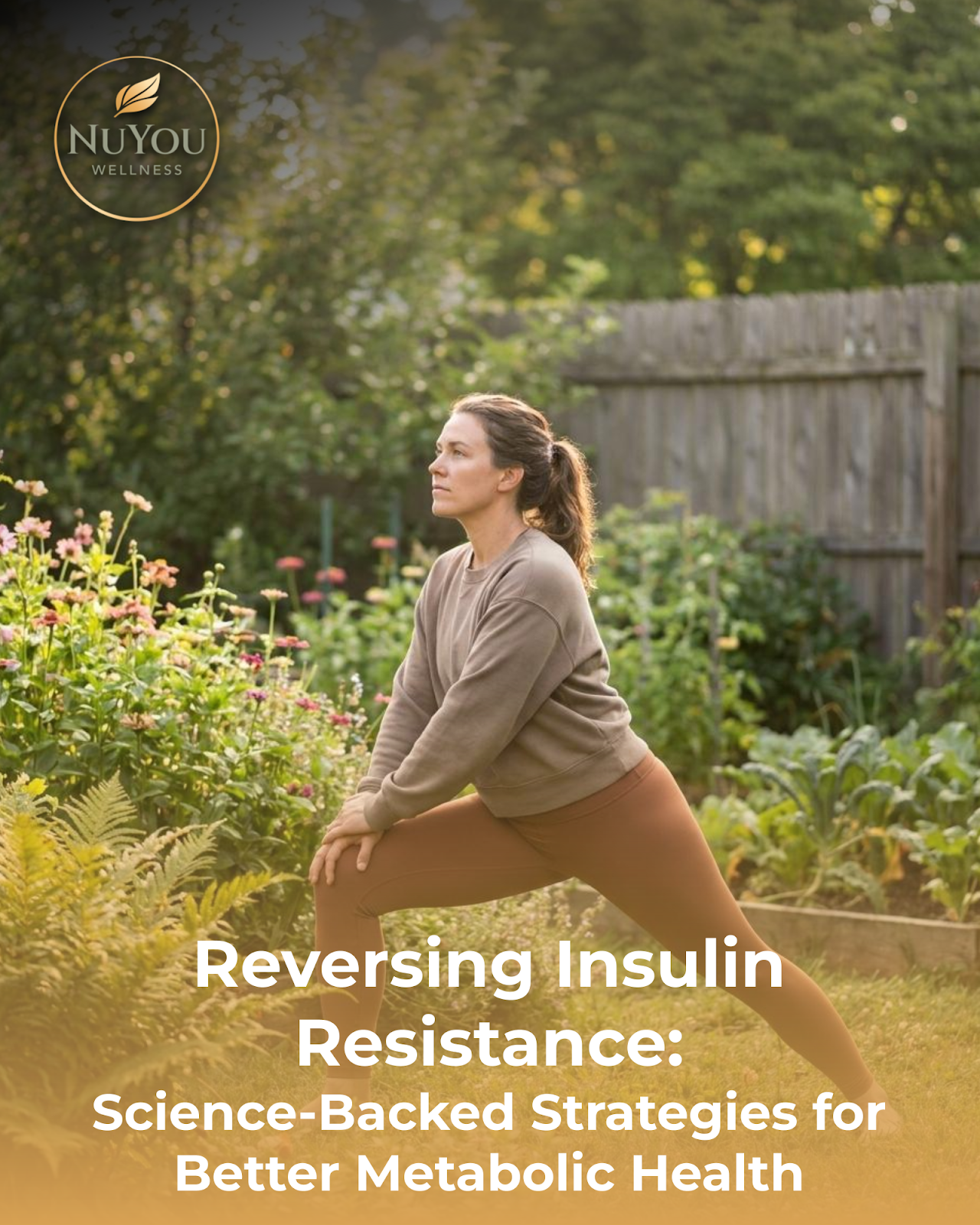
Reversing Insulin Resistance: Science-Backed Strategies for Better Metabolic Health
Insulin resistance is a condition that can affect how your body processes sugar, often leading to more serious health issues like type 2 diabetes. But don’t worry—there are effective, science-backed strategies to help reverse insulin resistance and improve your metabolic health.
Understanding Insulin Resistance
Insulin resistance happens when your body’s cells don’t respond well to insulin, a hormone that helps control your blood sugar levels. When cells resist insulin, your body needs to produce more of it to keep blood sugar levels normal. This can eventually lead to high blood sugar and other health problems.
People with insulin resistance often feel frustrated because they might struggle with weight management, fatigue, and even mood swings. It can be challenging to know how to address these issues effectively.
Signs and Symptoms of Insulin Resistance
Understanding the signs of insulin resistance is important. Some common symptoms include:
- Increased hunger and cravings
- Weight gain, especially around the belly
- Feeling tired and sluggish
- Difficulty concentrating
- High blood pressure
If you notice these symptoms, it’s a good idea to talk to a healthcare provider for proper assessment and advice.
Science-Backed Strategies to Reverse Insulin Resistance
1. Focus on a Healthy Diet
Eating a balanced diet is one of the most effective ways to combat insulin resistance. Focus on whole foods like vegetables, fruits, lean proteins, and healthy fats. Avoid processed foods and sugars to help your body use insulin more effectively.
2. Exercise Regularly
Physical activity can improve how your body uses insulin. Aim for at least 30 minutes of moderate exercise most days of the week. Activities like walking, cycling, and swimming are great choices.
3. Maintain a Healthy Weight
Losing weight can significantly improve insulin sensitivity. Even a small amount of weight loss can make a big difference. Focus on gradual, sustainable weight loss strategies that work for you.
4. Manage Stress
High stress levels can affect insulin sensitivity. Practice stress-reducing techniques like meditation, yoga, or deep breathing exercises to help manage stress effectively.
5. Get Enough Sleep
Good-quality sleep is crucial for maintaining healthy insulin levels. Aim for 7 to 9 hours of sleep each night and establish a regular sleep routine.
6. Consider Medical Guidance
If lifestyle changes alone aren’t enough, seeking advice from medical professionals can be beneficial. They can provide personalized guidance and support, sometimes including medication or other treatments if necessary.
Creating a Plan for Better Health
Step-by-Step Guide
- Assess Your Current Lifestyle: Identify areas where you can make changes, such as your diet or exercise routine.
- Set Realistic Goals: Aim for achievable targets, like losing a specific amount of weight or exercising a certain number of days each week.
- Create a Support System: Engage family or friends to join your journey or find a community group with similar goals.
- Track Your Progress: Keep a journal or use apps to monitor changes in your diet, exercise, and overall health.
- Adjust as Needed: Be flexible and adjust your plan if something isn’t working. Consistency is key, but so is finding what works best for you.
Conclusion
Reversing insulin resistance is possible with the right strategies and support. By focusing on a healthy lifestyle, managing stress, and seeking professional guidance when needed, you can improve your metabolic health and reduce the risks of more serious conditions.
Remember, every small step counts towards better health. Embrace the journey with confidence and know that you have the power to make positive changes. For more guidance and support, consider visiting a wellness clinic like NuYou Wellness, where professionals can help tailor a plan to your needs.
Schedule a Free Consultation